Understanding Currency Transfer Fees: A Complete Guide

Rotem Magen
Head of EMEA Sales, Covercy · July 15, 2025
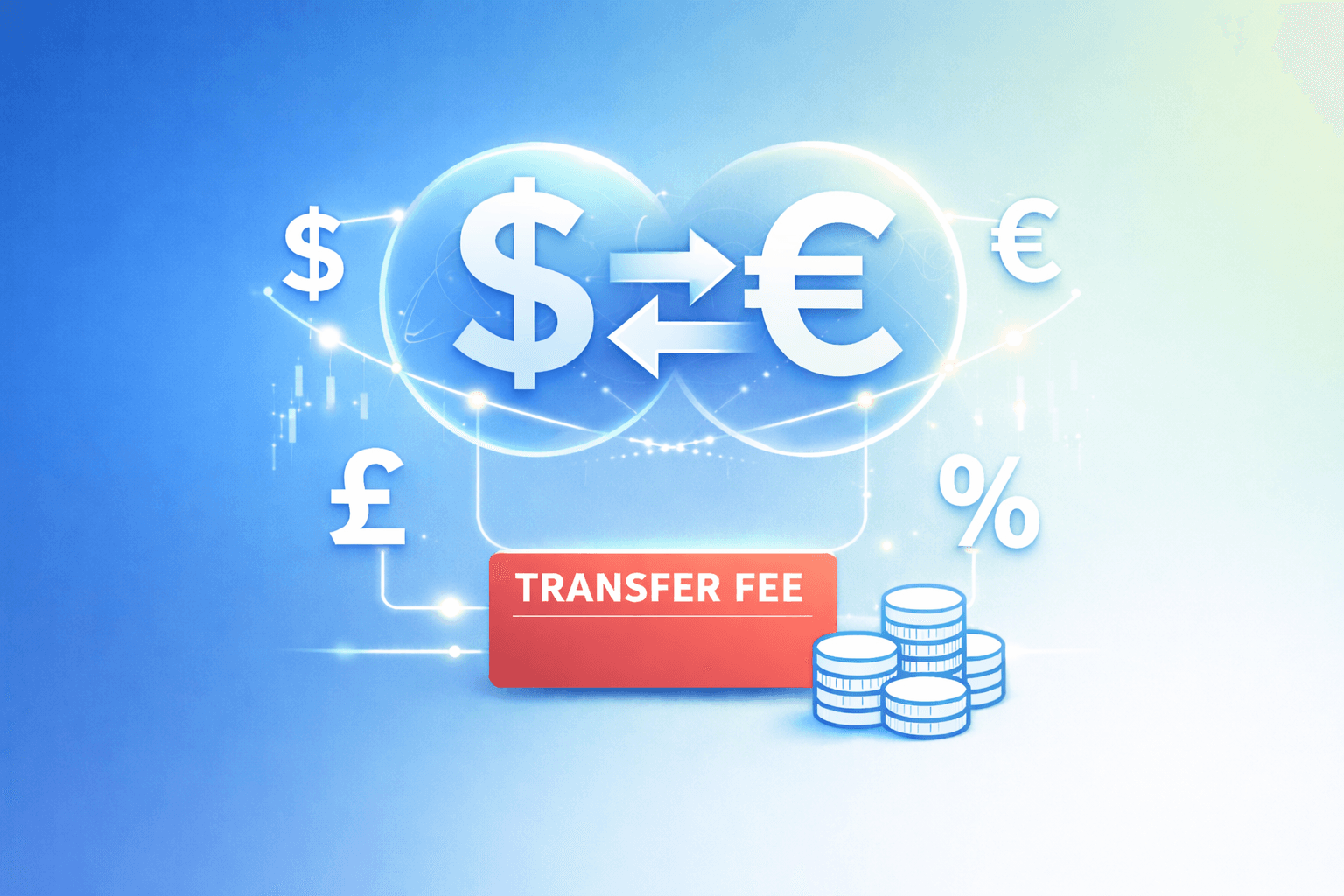
When sending money internationally, understanding the fees involved can save you significant money and help you make informed decisions. Many people are surprised to discover that a single international transfer can incur multiple types of charges—some visible, others hidden in exchange rate markups.
At Covercy Pay, we believe in complete transparency. This guide breaks down the four main types of fees you might encounter when transferring money abroad, and explains how our approach differs from traditional banks.
The Four Types of International Transfer Fees
1. SWIFT Transfer Fee
The SWIFT transfer fee is a percentage-based charge applied to the transfer amount. This fee varies significantly between financial institutions—some banks charge flat rates while others use tiered pricing based on transfer size.
2. Currency Conversion Fee
The currency conversion fee, also called the exchange fee, is applied when converting your money from one currency to another. This is typically a percentage of the transaction amount and can vary based on the currencies involved and the size of your transfer.
3. Correspondent and Intermediary Bank Fees
Here's where things get complicated—and expensive. Most banks don't have direct relationships with every bank in the world. When you send money internationally, your transfer often passes through one or more intermediary banks that act as "transfer stations" between the sending and receiving institutions.
Each intermediary bank can deduct its own fee from your transfer. These fees are often unpredictable and not disclosed upfront. You might send $1,000, but your recipient could receive significantly less after intermediary banks take their cuts.
This is particularly common with traditional bank transfers, where a single international payment might pass through two or three intermediary banks, each taking a portion of your money.
4. Exchange Rate Spread (The Hidden Fee)
The exchange rate spread is often the largest fee you'll pay—yet it's almost never discussed by banks. This is the difference between the mid-market exchange rate (the real rate you see on Google or financial news sites) and the rate your bank or transfer service actually offers you.
For example, if the mid-market rate in July 2025 was around 3.35 ₪ per dollar, a bank might "sell" you dollars at a rate of 3.45 ₪ per dollar. The 0.10 ₪ difference is their markup (hidden profit). If you want to buy $10,000, this spread alone could cost you about 1,000 ₪ (10,000 × 0.10).
Traditional banks often mark up exchange rates by 3-5%, sometimes even higher. This "invisible fee" is how they generate significant profits on international transfers while appearing to offer "no fee" or "low fee" services.
How Covercy Pay Approaches Transfer Fees
At Covercy Pay, we've designed our fee structure to be simple, transparent, and competitive. We charge only two fees for international transfers:
1. Exchange Rate Margin
We use real-time market exchange rates with a transparent margin. Unlike banks that hide their markup, we clearly show you the rate you're getting and how it compares to the mid-market rate. Our margin decreases as your transfer amount increases, meaning better rates for larger transfers.
2. Fixed Transfer Fee
We charge a straightforward fixed fee that varies by currency type. For example, transfers from Israeli Shekels might have a fixed fee of ₪39. This fee is always displayed upfront before you confirm your transfer—no surprises.
We completely eliminate intermediary bank fees by maintaining direct relationships with local payment networks in over 100 countries. Your money goes directly from Covercy Pay to the recipient's bank, without passing through multiple intermediary institutions.
Real-Time Transparency
When you create a transfer with Covercy Pay, our platform displays three critical pieces of information in real-time:
• The exact exchange rate you're receiving, updated every 30 seconds based on live market rates
• The total cost of your transfer, including our margin and fixed fee
• The exact amount your recipient will receive in their local currency
This transparency means you can compare our pricing against other services with confidence. There are no hidden fees, no surprise deductions, and no unexplained differences between what you send and what arrives.
The Bottom Line
International money transfers don't have to be expensive or confusing. By understanding the four main types of fees—SWIFT charges, conversion fees, intermediary costs, and exchange rate spreads—you can make smarter decisions about how and where to send money.
Covercy Pay was built to solve the transparency problem in international transfers. We show you exactly what you're paying, eliminate unnecessary intermediary fees, and offer competitive exchange rates that improve with larger transfer amounts.
The next time you need to send money internationally, take a moment to compare the total cost across different providers. Factor in all fees and the exchange rate markup. You might be surprised by how much you can save with a transparent, customer-focused service.
Ready to experience transparent international transfers? Create your free account with Covercy Pay and see exactly what you'll pay—and what your recipient will receive—before you commit to any transfer.