How importers pay international suppliers: a practical guide

Rotem Magen
Head of EMEA Sales, Covercy · May 6, 2026
If you import goods — fabric from Turkey, electronics from China, machinery from Germany, food ingredients from Spain — you pay suppliers internationally every month. Most importers do this through their business bank, using an international wire transfer. Most of them are overpaying, and many do not know by how much.
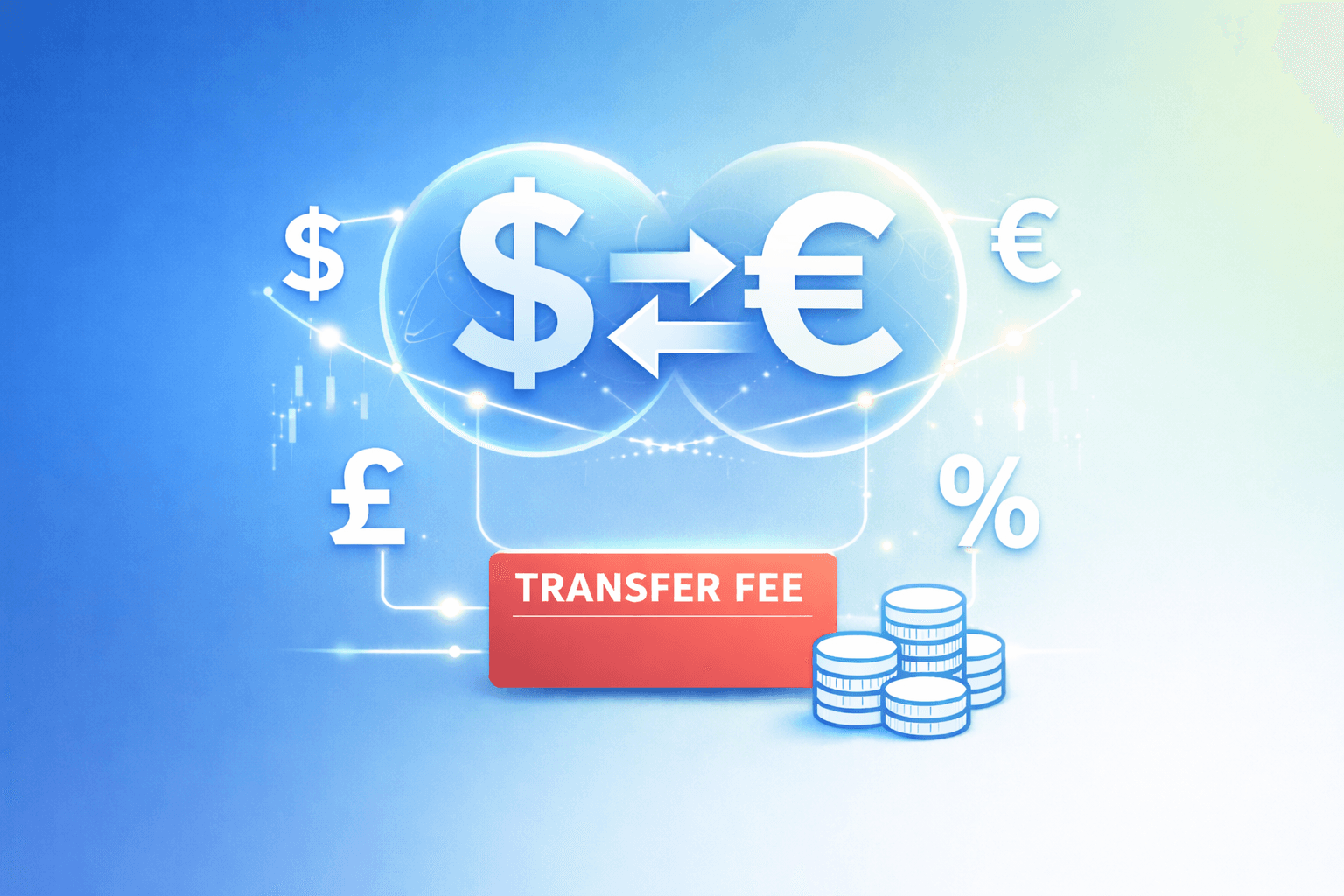
A standard international bank wire does not charge one fee. It stacks four separate costs on top of the amount you are sending. First, your bank applies an FX markup on the exchange rate — typically 1.5%–4%, embedded in the quoted rate and invisible unless you compare it to the mid-market rate. Second, a SWIFT network fee. Third, fees charged by one or more intermediary banks that sit in the transfer chain between your bank and your supplier's bank. Fourth, an inbound wire fee that your supplier's bank may charge them on the receiving end. Your supplier often ends up with less than you intended to send, and you may not find out until they chase you for the difference.
Here is a concrete example. You need to pay a Chinese supplier CNY 85,000. Your bank quotes a rate with a 2.5% FX markup built in. On top of that: a 5 SWIFT fee, a 5 intermediary bank deduction, and a 0 receive fee at the supplier's bank. You paid more than the invoice required, and your supplier received less. Now multiply that across five, eight, or ten suppliers every month — different currencies, different banks, different cut points. The overpayment adds up to thousands of dollars a year.
The industries that feel this most are the ones where supplier relationships and payment timing are both critical. Fashion and apparel importers paying garment manufacturers in China, Turkey, Bangladesh, or Vietnam. Tech and electronics companies sourcing components across Asia. Food and beverage importers paying producers across Europe, South America, and Southeast Asia. Industrial and manufacturing buyers making high-value payments to German, Italian, or South Korean suppliers. What these businesses share is a need to pay reliably, in the supplier's local currency, on a schedule that keeps the supply chain moving — and a need to know exactly what they are paying before they confirm.
Beyond cost, importers managing multiple supplier relationships run into an operational problem. Multiple banking portals with different logins. Different reference number formats for different banks. Manual reconciliation of which payment settled and which is still pending. Payment confirmations that arrive two days after the fact. This eats finance team time every week. The administrative overhead of international supplier payments is a real cost, even when you cannot put a precise number on it.
What importers actually need from a payment platform comes down to five things: a single dashboard where all suppliers are registered and reusable; the ability to send in the supplier's preferred local currency rather than forcing a conversion at their end; the exact rate and fee shown before the transfer is confirmed, not buried in a statement afterward; a full audit trail for every payment, downloadable for accounting and compliance purposes; and fast settlement so suppliers are not left waiting and your supply chain is not disrupted by a late payment.
There is also a compliance dimension that importers underestimate. Cross-border payments above certain thresholds require documentation — supplier invoices, proof of the underlying commercial transaction, sometimes a description of the goods. Using a regulated payment provider means those records are maintained automatically, accessible for audit, and formatted correctly for tax and accounting. Routing supplier payments through a non-regulated provider, or through personal accounts, creates compliance exposure that accumulates quietly until an audit surfaces it.
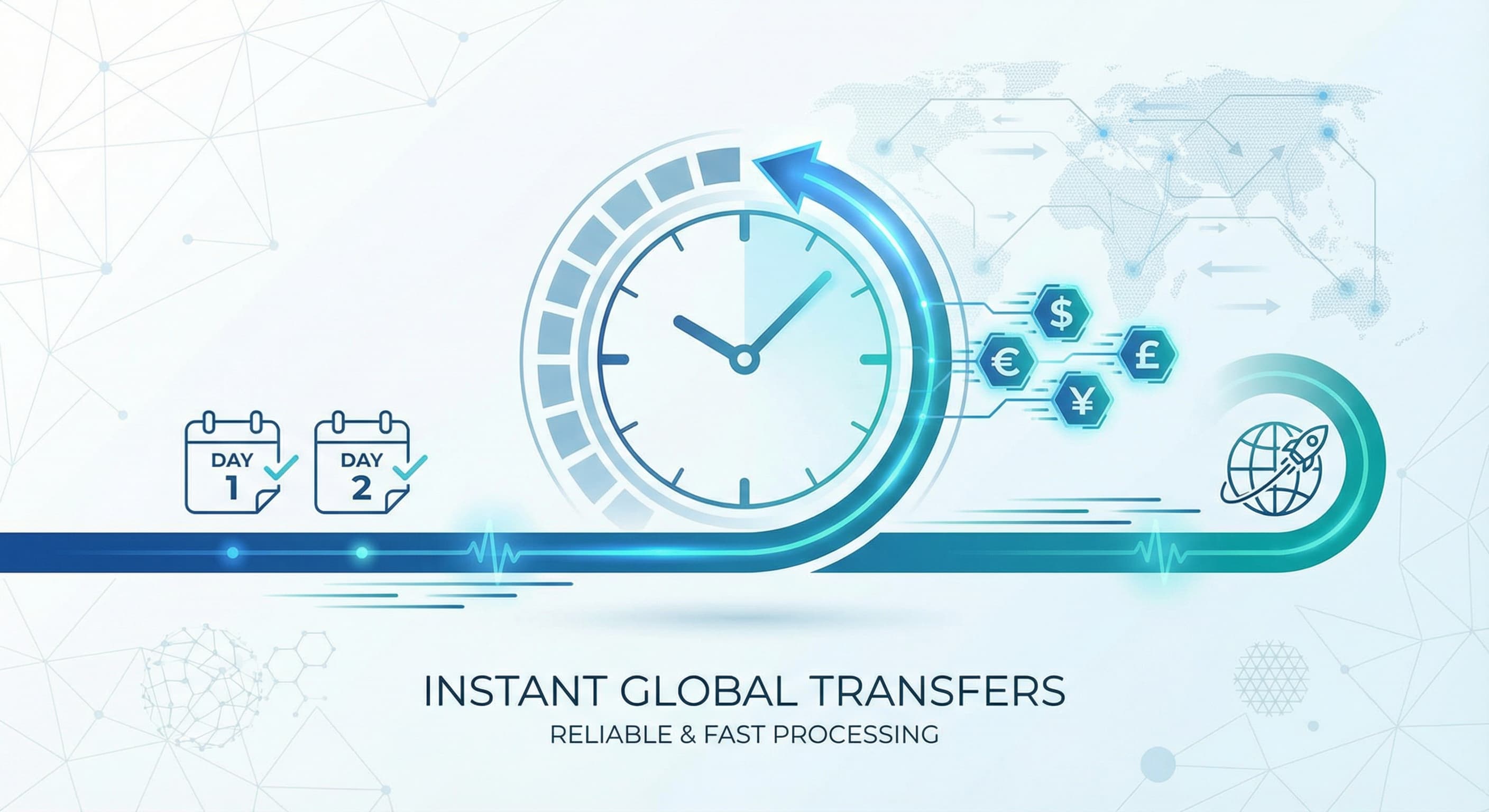
Covercy Pay was built for this use case. You register your suppliers once and pay them repeatedly from a single dashboard — in USD, EUR, GBP, AED, CNY, THB, HUF, and more. Our markup on the exchange rate is typically 0.4%–1% (compared to the 1.5%–4% most banks charge), and you see the exact rate and fee before you confirm. There are no intermediary bank deductions on the payout side — your supplier receives the full amount you intended to send, with no silent cuts along the way. Most transfers settle in 1–2 business days. Covercy Pay is licensed by Israel's Capital Markets Authority and registered with the UK FCA. To see how it works for your supplier payment volumes, visit our importers page.
Sign up to get a live rate for your currencies and volumes — no commitment required.